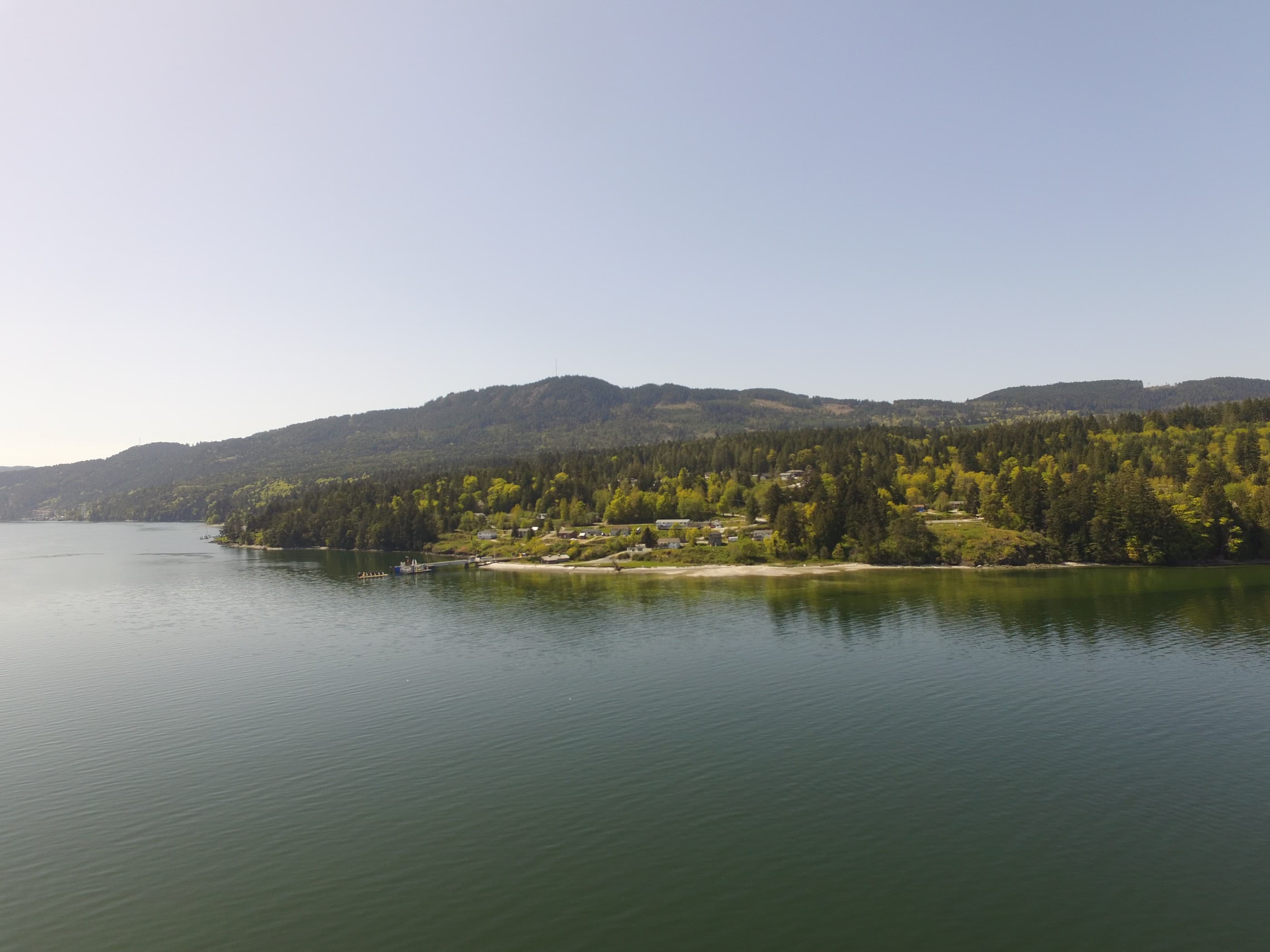
Local Area Plan and Design Guidelines
Malahat Nation Lands and Environment department is working with Dillon Consulting on a Local Area Plan (LAP) and Design Guidelines project. The LAP...
Active
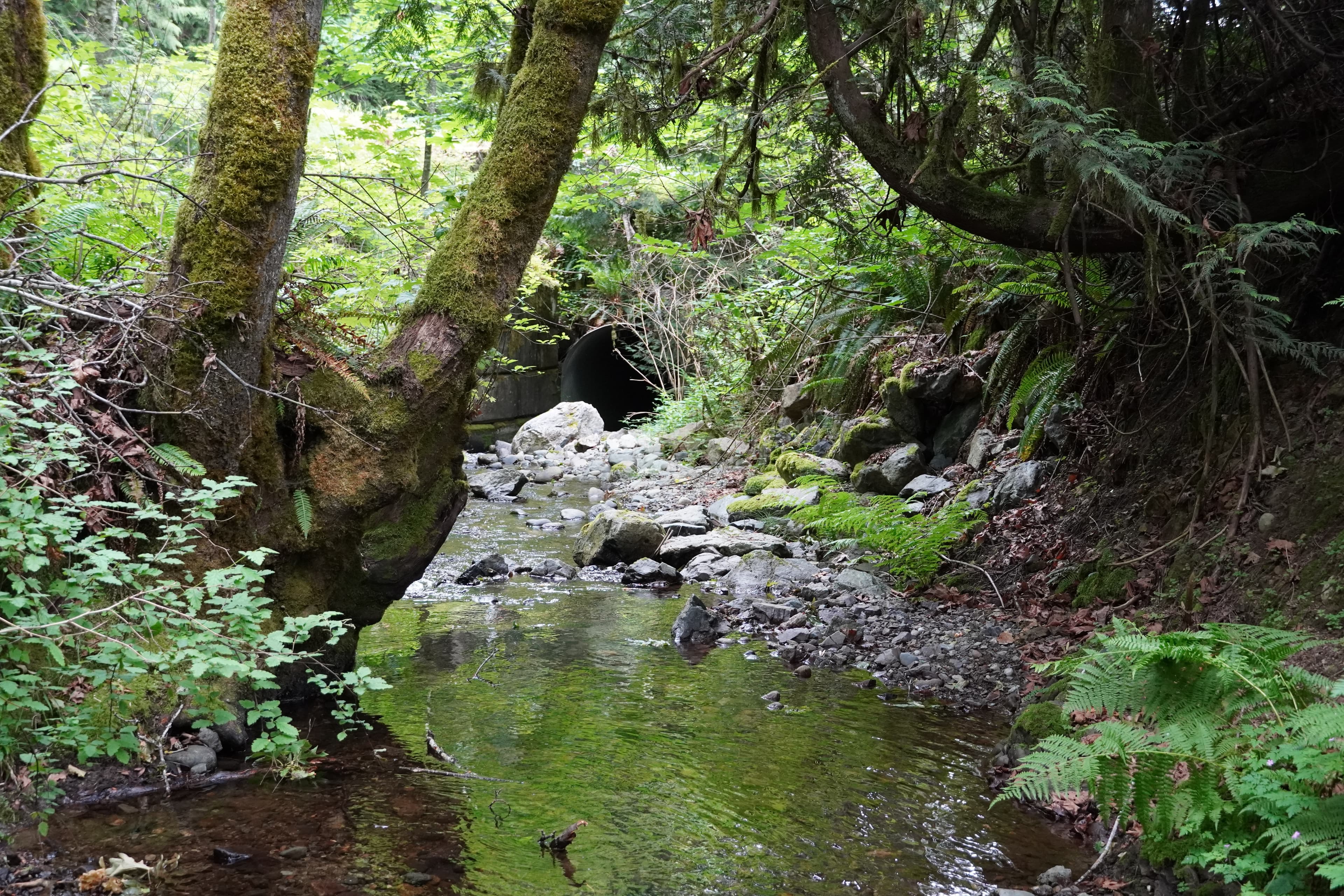
Malahat Nation Lands and Environment department is working with Dillon Consultants to create a Watershed Governance Framework. The Malahat Benchlands and Shawnigan Creek watersheds faces pressures including population growth, unsustainable extraction from water bodies, overdevelopment, infrastructure deficits and issues, agriculture, forestry, and mining uses, and pollution. Through investigating governance models that are culturally appropriate and sustainable, Malahat Nation aims to develop a framework that ensures the protection and restoration of its watersheds that can serve as a model for other Indigenous communities facing similar challenges as well as a model for capacity building within the Malahat Nation. Guiding principles of Malahat Nation’s work in this area include: the long-term benefit to the Nation, respect for culture and customs, innovation, preservation and protection, ecosystem-based management, sustainability, cooperative relationships, self-sufficiency, and opportunities for Malahat members.
Ongoing - Ongoing
The Dillon team will facilitate three in-person engagement sessions or “workshops” with the Malahat Nation staff and partners (CVRD, Province of BC Water Land and Resources representatives, Island Health, and Mill Bay waterworks). Each workshop will be guided by the outcomes of the previous tasks and will leverage our expertise in facilitation and the development of shared / policy frameworks. The goal is for each session to build progressively on the last, culminating in the creation of a Draft Framework Agreement and Action Plan. It is anticipated that workshops will also explore and discuss (in the context of the Malahat Nation’s unextinguished rights and title): • Adaptive management strategies for decision-making; • Ongoing monitoring and evaluation of watershed health and water security; • Sustainable management; and, • Collective targets and goals for watershed management.
Ongoing - Ongoing
Using the information collected from previous tasks, the Dillon team will prepare a preliminary Draft Governance Framework and Recommended Action Plan. This draft will integrate key insights and findings from the process to align with the Malahat Nation's goals and priorities. The framework will serve as a foundational tool for further developing a more comprehensive Malahat-led Watershed Governance Framework.
Apr 2025 - May 2025
May 2025 - Jul 2025
Malahat Nation Lands and Environment department is working with Dillon Consulting on a Local Area Plan (LAP) and Design Guidelines project. The LAP...
Active
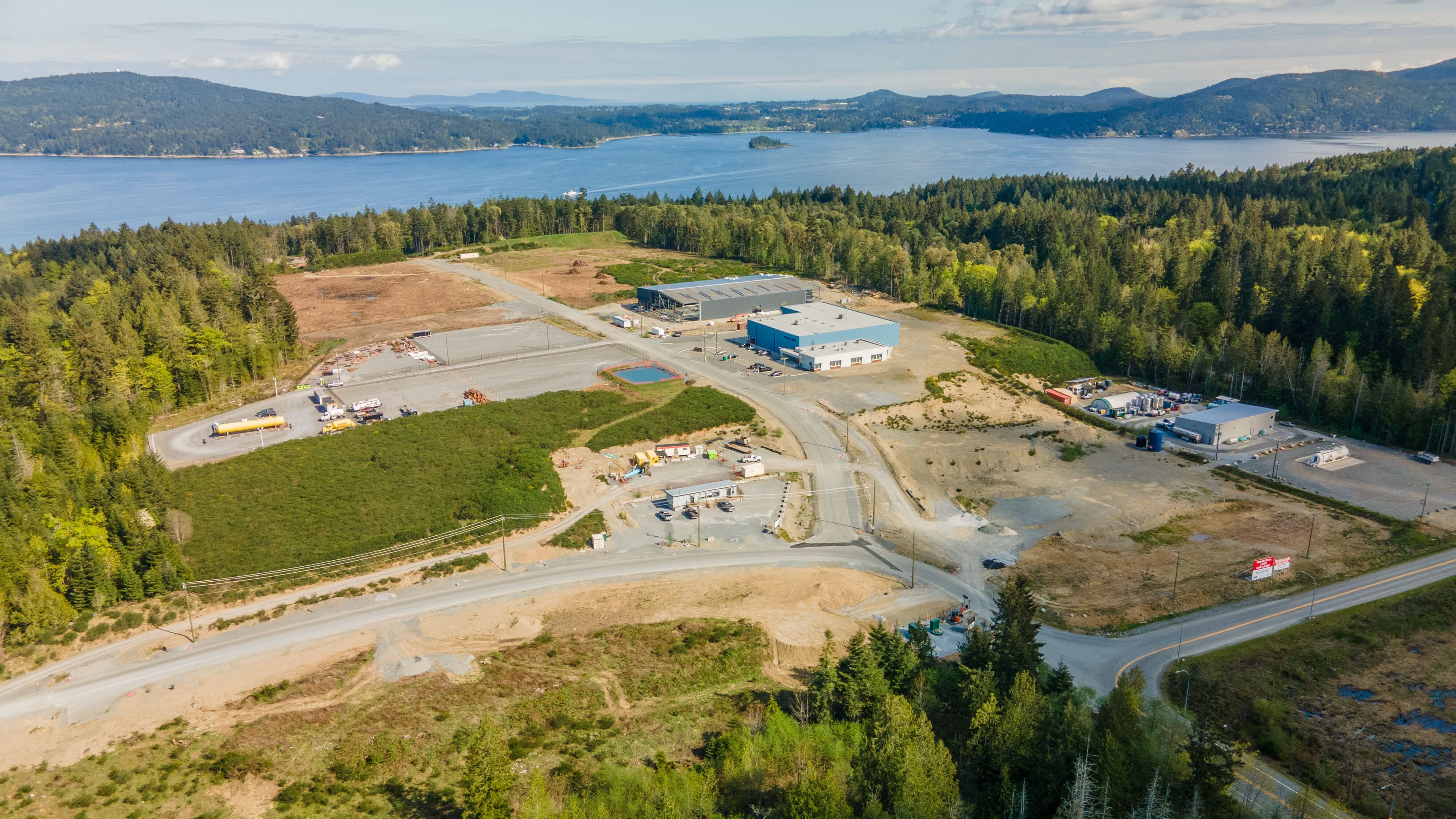
OverviewThe Economic Development Department is advancing the strategic and operational development of the Malahat Business Park (MBP), a 44 acre si...
Active
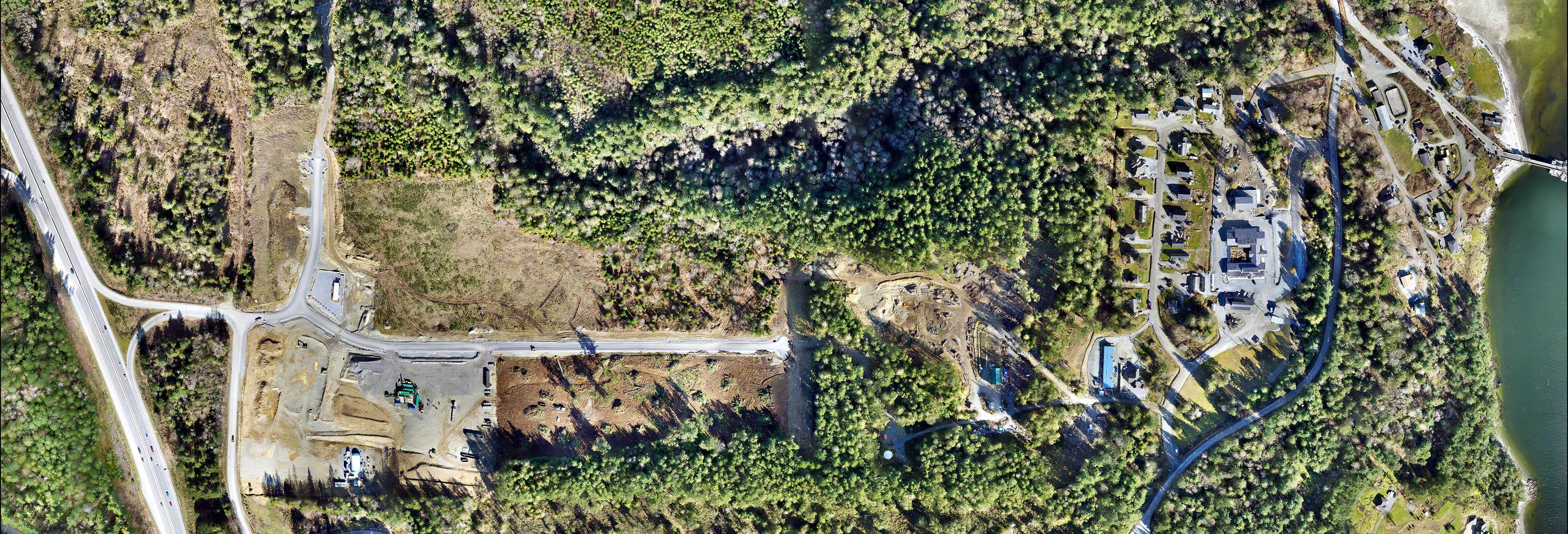
Malahat Nation Fibre Network Upgrade ProjectMalahat Nation has relied on cable internet service provided by Rogers (formerly Shaw) for over two dec...
Active
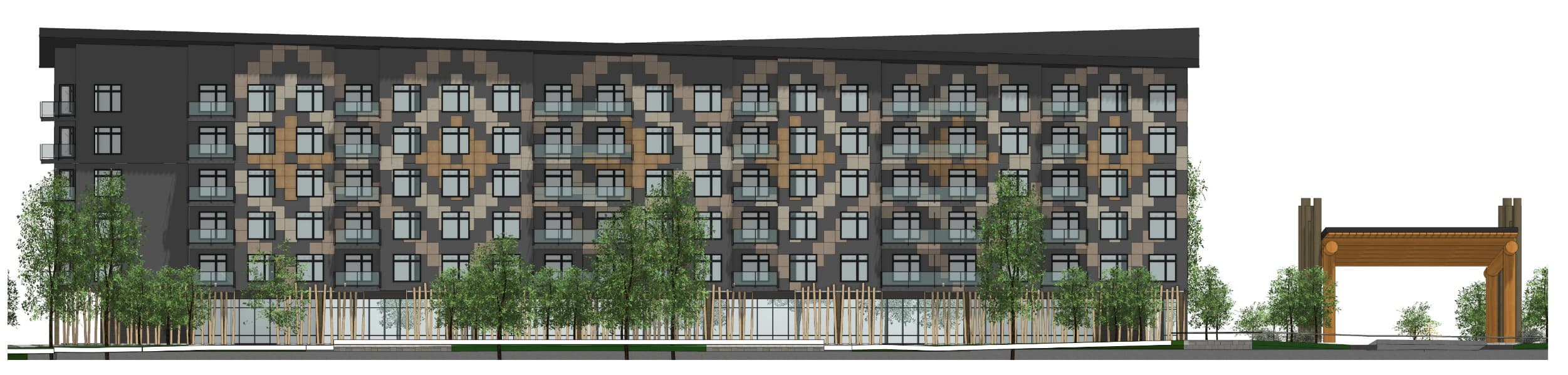
The Economic Development Department is working on a potential new development in the Malahat Business Park that is intended to include market renta...
Active